Approaches to Teaching World Literature
There are 173 products in Approaches to Teaching World Literature
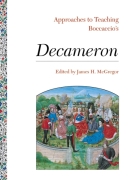
Approaches to Teaching Boccaccio’s Decameron
“What separates the Decameron from most of the canon is that it is fun to read,” says the editor in his preface to this volume. “Though its narrators sometimes weep, they laugh much more often.” Boccaccio’s highly teachable work is easily excerpted, and the essays in this collection describe stimulating ways to introduce these tales to undergraduates.
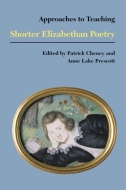
Approaches to Teaching Shorter Elizabethan Poetry
Teaching Elizabethan poems, Patrick Cheney and Anne Lake Prescott tell us in their preface to this book, “can provide pleasure and insight, but it can also be a challenge: modern students, and even modern teachers, sometimes find shorter Elizabethan poems aesthetically or emotionally engaging but culturally remote and intellectually difficult.” This collection of essays presents materials and strategies for helping students and teachers share in the enjoyment of Elizabethan poetry, including verse by authors such as Thomas Campion, John Donne, Michael Drayton, Elizabeth I, George Gascoigne, Ben Jonson, Christopher Marlowe, Walter Ralegh, Mary Sidney, Philip Sidney, William Shakespeare, John Skelton, Edmund Spenser, the earl of Surrey, Mary Wroth, and Thomas Wyatt.
Like other books in the Approaches to Teaching World Literature series, this volume is divided into two parts. Part 1, “Materials,” suggests texts and anthologies for use in the classroom and identifies important background resources and critical studies for the instructor. From this profusion of information, the coeditor, Patrick Cheney, recommends a convenient list of items for the instructor in a hurry. Part 2, “Approaches,” contains thirty-seven essays on teaching individual poems and authors or a selection of poems, as well as developing an entire course using a coherent critical narrative.
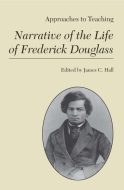
Approaches to Teaching Narrative of the Life of Frederick Douglass
One of the most frequently taught slave narratives, Narrative of the Life of Frederick Douglass is assigned in many courses, including American and African American literature, African American studies, women’s studies, and even composition. Regularly excerpted in introductory American literature and composition anthologies, Douglass’s classic first-person account is ideal for exploring the artistic accomplishment of the slave narrator. In this Approaches to Teaching World Literature volume, sixteen essays on teaching the work testify to the complexity of such accounts and their possibilities in the classroom.
Like other books in the MLA’s Approaches series, this one is divided into two parts. The first part, “Materials,” discusses the reference works, historical and critical studies, and other materials most commonly used and recommended by teachers of Douglass’s work. In the second part, “Approaches,” a diverse group of scholars describe methods of presentation that they have found effective for enlivening classroom discussion and enhancing students’ appreciation of the text. Their essays outline the challenges posed by Narrative of the Life of Frederick Douglass and the fundamental literary and historical debates surrounding the narrator’s account. They also evaluate problems of cultural authority and historical record, provide examples of teaching the text alongside other slave narratives, and suggest ways to incorporate it into introductory courses such as humanities and world literature.
